
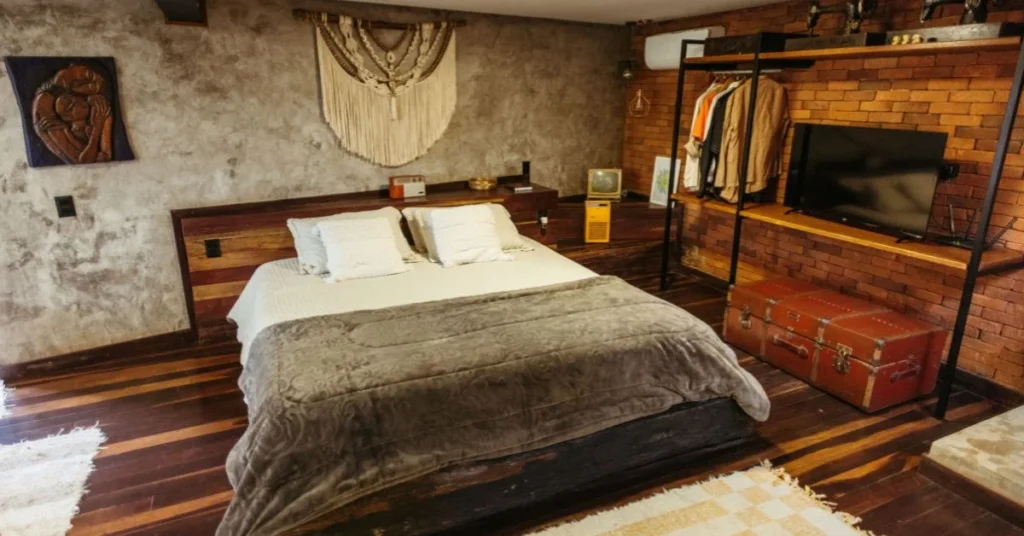
Getting a property ready for Airbnb involves more than adding furniture and taking a few photographs. A successful short let needs to feel comfortable, practical, safe and easy to use from the moment a guest arrives.
For landlords, the setup stage is also an opportunity to prevent avoidable problems later. Missing essentials, poor-quality furniture, unclear instructions or difficult check-in arrangements can all lead to unnecessary guest complaints.
A well-planned Airbnb property setup creates a better first impression and gives guests everything they need for a smooth stay. This guide covers the key areas landlords should check before welcoming their first guest.
1. Check That the Property Is Suitable for Short Letting
Before buying furniture or ordering guest supplies, make sure the property itself is suitable for short-term accommodation.
This is slightly different from simply asking whether the property can generate bookings. Think about how a guest will actually use the space. Is there enough room for comfortable sleeping, dining and storage? Is the entrance straightforward to access? Can guests use the kitchen and bathroom without difficulty?
It is worth reviewing the property room by room and identifying anything that could affect the guest experience.
For a more detailed assessment, landlords can also use a property suitability checklist before committing to a short-let setup.
The goal at this stage is to identify practical problems early rather than discovering them after the first booking.
2. Furnish the Property for Comfort and Durability
Furniture should make the property feel welcoming without making it difficult to maintain.
Start with the essentials. Guests need a comfortable bed, suitable seating, somewhere to eat or work, and enough storage for their belongings. The furniture should also be appropriate for the size of the property.
A smaller apartment, for example, may benefit from flexible furniture and clever storage rather than oversized pieces that make rooms feel cramped.
The bed deserves particular attention. A comfortable mattress, supportive pillows and quality bedding can have a major influence on how guests perceive their stay.
Durability also matters. Short lets can experience considerably more frequent use than a conventional rental property. Choose furniture and finishes that can cope with regular cleaning and turnover.
It is better to invest in practical, reliable pieces than fill the property with decorative items that offer little value to guests.
3. Equip the Kitchen, Bathroom and Living Areas
Guests generally expect a short-let property to provide the basics they would need during their stay.
The kitchen should be functional rather than simply attractive. Make sure guests can prepare simple meals and have the equipment needed to use the space comfortably. Depending on the property, this may include cookware, plates, glasses, cutlery, basic utensils and suitable appliances.
The bathroom should receive the same attention. Fresh towels, toilet paper, hand soap and other everyday essentials should be available before the first guest arrives.
In the living areas, think about what guests are likely to do during their stay. Reliable Wi-Fi, suitable lighting, comfortable seating and convenient power sockets can make the property considerably more practical.
You do not need to provide every possible amenity. Instead, focus on the facilities that match the property’s size, location and target guest.
4. Prioritise Safety, Security and Easy Check-In
Safety should be part of the setup from the beginning rather than something considered just before the first booking.
Check that appropriate smoke and carbon monoxide detection is in place where required, and make sure guests can easily understand any important safety information. Emergency contact details and relevant property instructions should also be easy to find.
Security is equally important. Landlords should consider how guests will enter the property, where keys will be stored and how access can be managed between stays.
A reliable check-in process can make a significant difference to the guest experience. Guests should know where to go, how to access the property and what to do if they encounter a problem.
Whether you use a key safe, another access system or assisted check-in, the process should be tested before the first booking.
If you decide to work with a professional provider, Airbnb management services can help landlords manage the practical aspects of operating a short-let property.
5. Make the Property Guest-Ready Before Photography
Your property should be completely prepared before professional photography takes place.
This is important because photographs often form a guest’s first impression of the accommodation. A room that looks unfinished, cluttered or poorly furnished may receive less interest even if the property itself is perfectly suitable.
Remove unnecessary personal belongings and excessive decoration. Check that curtains, blinds, lamps and furniture are positioned properly. Make sure beds are made neatly and important features are presented clearly.
Think about what makes the property useful to a guest rather than simply what makes it look attractive.
For example, a workspace may be an important feature for business travellers, while families may value practical dining space, storage and a well-equipped kitchen.
Good photography should accurately represent the finished property rather than create expectations that the accommodation cannot meet.
6. Complete a Final Pre-Guest Inspection
Once the setup is complete, carry out a final inspection as though you were the guest arriving for the first time.
Walk through the property from the entrance onwards. Test the Wi-Fi, lights, appliances and heating or cooling systems. Open cupboards and drawers to check that everything is clean and functional.
Look for small problems that are easy to overlook during preparation. A loose handle, missing light bulb, stained cushion or confusing appliance control can quickly become a guest complaint.
It can help to create a simple inspection process covering the main areas of the property:
- Entrance and access
- Bedrooms and bedding
- Bathroom facilities
- Kitchen equipment
- Living areas
- Wi-Fi and technology
- Safety equipment
- Cleaning and presentation
Taking photographs during the inspection can also create a useful record of the property’s condition before guests begin staying there.
7. Plan Cleaning, Maintenance and Restocking
Preparing a property for its first guest is only the beginning. The property needs to remain guest-ready after every stay.
Cleaning standards should be consistent, particularly in bathrooms, kitchens, bedrooms and high-touch areas. Bedding and towels should be replaced and washed between appropriate stays, while consumables need to be monitored and replenished.
It is also useful to establish a process for reporting and fixing maintenance problems.
A minor issue that is resolved quickly may have little impact on a guest. The same issue left unresolved can affect reviews and future bookings.
Landlords who do not live close to the property should consider how cleaning, maintenance, guest communication and check-ins will be handled between bookings.
This is where short let management can become particularly useful for landlords who want a more hands-off approach.
8. Consider Your Local Guest Market
The best setup is not necessarily the most expensive one. It is the setup that makes sense for the guests most likely to book the property.
A city-centre apartment may need different features from a family home near a tourist attraction. A property aimed at business travellers may benefit from a comfortable workspace and reliable Wi-Fi, while a family-focused property may need more practical storage and dining facilities.
Location should therefore influence your setup decisions.
For example, landlords operating in Chester can look at the specific requirements of guests booking Airbnb short lets in Chester. Properties in Wrexham, Manchester or Liverpool may attract different guest profiles and therefore require slightly different priorities.
The important point is to avoid spending money on features simply because they look impressive. Prioritise improvements that make the property more useful to the people you want to attract.
Final Airbnb Property Setup Checklist
Before welcoming the first guest, complete one final walkthrough and confirm that the property is genuinely ready for occupation.
Use this checklist as a final reference:
- Property has been inspected and prepared for short-term guests
- Beds, mattresses and bedding are clean and comfortable
- Furniture is suitable for the size and layout of each room
- Kitchen equipment and essential utensils are available
- Bathroom essentials are stocked
- Wi-Fi has been tested
- Lighting and appliances work correctly
- Safety equipment has been checked
- Guest access and check-in instructions have been tested
- Storage space is available for guests
- Cleaning standards have been checked
- Photography reflects the finished property
- Guest instructions are clear and easy to find
- Maintenance and cleaning arrangements are in place
- Essential supplies are ready for the first booking
Completing this process before publishing or accepting the first reservation can prevent many avoidable problems.
FAQs About Preparing a Property for Airbnb
What should landlords provide before their first Airbnb guest?
At a minimum, landlords should provide comfortable sleeping arrangements, suitable furniture, bathroom essentials, functional kitchen facilities, reliable Wi-Fi and clear check-in information. Safety requirements should also be reviewed before hosting guests.
How much should I spend setting up an Airbnb?
There is no single amount that suits every property. Setup costs depend on the property’s size, existing furnishings, condition and target guests. Focus first on comfort, functionality, safety and durability before spending money on unnecessary extras.
Should I furnish an Airbnb differently from a long-term rental?
Usually, yes. Short-let properties need to work for guests who may stay for only a few nights or weeks. That means greater attention to presentation, convenient amenities, storage, bedding, check-in and ease of use.
What should I check before an Airbnb guest arrives?
Check that the property is clean, furniture and appliances work correctly, bedding and towels are prepared, essential supplies are available, Wi-Fi works and guests can access the property without difficulty.
Is professional Airbnb management worth considering?
For landlords who do not want to manage guest communication, cleaning, maintenance and turnover themselves, professional management can reduce the day-to-day workload. The right approach depends on the property and how involved the landlord wants to be.
Prepare Your Property for Its First Short-Let Guest
A successful Airbnb setup is about more than making a property look attractive in photographs. Guests need a space that feels comfortable, works reliably and provides a straightforward experience from check-in to checkout.
For landlords, preparing these details before the first booking can create a stronger foundation for ongoing short-let management.
If you are considering turning your property into a short let and want help with the practical side of getting started, Harper Short Stays can help you explore the options available for your property.